
Why Does Poor Record-Keeping Put Namibian SMEs at Risk?
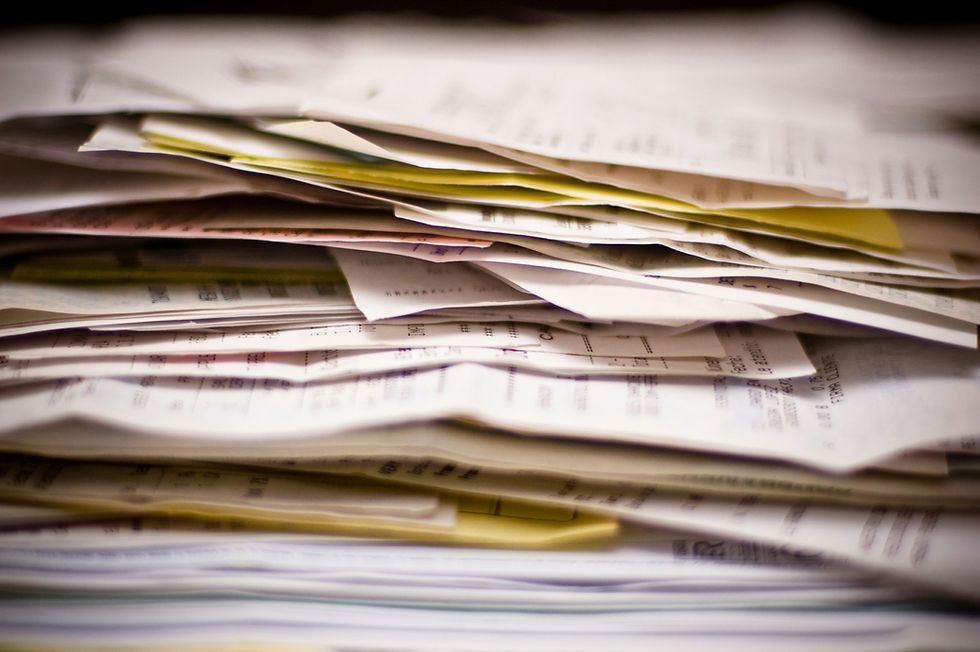
A small business owner knows the business is busy. Customers are paying, stock is moving, suppliers are being settled and staff are working hard. Yet when the owner needs to apply for funding, explain a cash-flow problem, investigate a suspicious payment or prove business performance, the documents are scattered. Some invoices are missing. Bank statements do not match the sales records. Cash payments were never written down. Personal and business expenses are mixed together.
Poor record-keeping puts Namibian SMEs at risk because it makes it difficult to prove income, control expenses, detect fraud, apply for funding, comply with obligations, manage cash flow and make reliable business decisions. A business may be active and promising, but if its records are weak, owners, funders, investors and advisers cannot clearly see what is happening. In business, what cannot be shown is often difficult to trust.
For SMEs in Namibia, this is not only an administrative issue. It is a growth issue, a fraud prevention issue and a credibility issue.
The practical rule is simple:
Good records help a business become trusted. Poor records make even a good business look uncertain.
What Does Poor Record-Keeping Mean?
Poor record-keeping means that a business does not keep clear, complete and organised evidence of its financial and operational activity.
This may include missing invoices, incomplete receipts, unclear supplier records, weak stock records, unsupported cash withdrawals, late bookkeeping, mixed personal and business spending, undocumented loans, unclear payroll records or payments that cannot be properly explained.
A business owner may ask questions such as:
“Why is record-keeping important for small businesses?”
“What records should a small business keep?”
“How can poor bookkeeping lead to fraud?”
“What documents do I need before applying for SME funding?”
“How do I know if my business records are good enough?”
“Can poor records make my business look suspicious?”
These are practical questions. They are also serious questions.
Records are the memory of a business. They show what happened, when it happened, who approved it and whether the business is moving in the right direction.
Without records, owners may rely on memory, trust or bank balances. That is risky because memory fades, trust can be abused and a bank balance does not explain whether a business is profitable, sustainable or exposed.
Why Record-Keeping Matters for Namibian SMEs
Many Namibian SMEs start informally. A person may begin with a side business, cash sales, social media orders, family support, small stock purchases or word-of-mouth customers. In the beginning, the owner may feel that formal records are unnecessary because “I know what is going on.”
That may work for a short period. But as the business grows, the risks change.
The business may hire staff, rent premises, buy more stock, apply for funding, take deposits, enter contracts, deal with tax requirements, supply larger customers or open accounts with suppliers. At that point, informal memory is no longer enough.
The question becomes:
“Can the business prove what it says?”
If the owner says sales are increasing, records should support it.
If the business applies for a grant, records should show activity.
If an investor asks for performance, records should explain the numbers.
If an employee is suspected of misconduct, records should help identify what happened.
If a supplier disputes payment, records should show the transaction.
Poor record-keeping creates uncertainty. And uncertainty makes funders, investors, customers and decision-makers more cautious.
How Can Poor Bookkeeping Lead to Fraud?
Poor bookkeeping does not automatically mean fraud. Many honest business owners have weak records because they are busy, under-resourced or never received proper financial training.
However, weak records create an environment where fraud is easier to hide.
If supplier invoices are not checked properly, fake invoices may slip through. If bank payments are not reconciled, duplicate payments may go unnoticed. If stock is not counted, missing items may be blamed on normal business pressure. If cash sales are not recorded, money can disappear without a clear trail.
A practical question for every business owner is:
“Would I notice if money, stock or information went missing?”
If the answer is uncertain, the records may not be strong enough.
Common fraud risks linked to poor records include:
duplicate supplier payments;
false or inflated invoices;
unauthorised cash withdrawals;
stock losses;
payroll irregularities;
personal expenses treated as business costs;
changed supplier banking details;
missing receipts;
unsupported refunds or credits.
The purpose of good record-keeping is not to mistrust everyone. It is to make dishonesty harder and honest mistakes easier to correct.
A useful rule is:
Trust people, but let records confirm the facts.
What Records Should a Small Business Keep?
A small business does not need an overly complicated system, but it does need reliable evidence.
Important records may include sales invoices, receipts, bank statements, supplier invoices, proof of payment, customer orders, delivery notes, payroll information, tax documents, contracts, stock records, loan agreements, asset records and basic management accounts.
The exact records depend on the type of business. A retail business may need stronger stock records. A consulting business may need clear service agreements and invoices. A construction or technical business may need job cards, quotations, supplier invoices and proof of delivery. A school, association or non-profit may need careful records of fees, donations, expenses and approvals.
The important point is not only to collect documents. The records must be organised enough to answer real business questions.
For example:
Who owes the business money?
Who has the business paid?
What stock is available?
Which expenses are personal and which are business-related?
Which payments were approved?
Which projects are profitable?
Can the business prove income if it applies for funding?
Good records turn confusion into clarity.
What Documents Do SMEs Need Before Applying for Funding?
Funding readiness is one of the strongest reasons for better record-keeping.
Many business owners look for grants, loans, investor support or development funding only when they urgently need money. But funding applications often require evidence: registration documents, ownership information, bank statements, financial summaries, tax or compliance documents where applicable, proof of trading, quotations, business plans and information about how funds will be used.
A business owner may ask:
“What documents do I need before applying for SME funding in Namibia?”
The answer depends on the specific fund, bank, investor or programme. Requirements should always be checked through official sources. However, most funders need enough information to assess whether the business is real, active, eligible and able to use funds responsibly.
Poor records can make a genuine business look unprepared.
A funder may not reject a business because the idea is bad. The concern may be that the business cannot show its numbers, explain its ownership, prove its activity or demonstrate how funding will be managed.
The practical rule is:
Do not wait for a funding opportunity before organising your records.
How Poor Records Affect Decision-Making
Poor records do not only create problems for outsiders. They also weaken the owner’s own decisions.
A business owner may feel that the business is doing well because sales are busy. But busy does not always mean profitable. If costs are rising, stock is being lost, debtors are not paying or pricing is too low, the business may be under pressure even while customers are active.
Good records help answer important questions:
Which products or services make money?
Which customers pay late?
Which expenses are increasing?
Can the business afford another employee?
Is the owner drawing too much from the business?
Is there enough cash for tax, suppliers and salaries?
Without records, the owner may make decisions based on feeling rather than evidence.
This can lead to overtrading, unpaid suppliers, late salaries, poor pricing, unnecessary debt or conflict between business partners.
Record-Keeping and Business Trust
Records help build trust.
Investors trust evidence. Funders trust organised information. Suppliers trust businesses that pay and communicate clearly. Employees trust businesses that manage payroll and obligations properly. Customers trust businesses that can deliver what they promise.
For foreign investors considering Namibia, records are also part of due diligence. A business may have strong local relationships and a promising opportunity, but if the records are weak, it becomes harder to assess risk.
A practical investor question is:
“Can this business support its story with documents?”
If the answer is no, the investor may hesitate, request more verification or walk away.
This is why record-keeping is not just an admin task. It is part of business credibility.
Common Mistakes SME Owners Make
Mistake 1: Mixing personal and business money
This is common in small businesses, especially when the owner started informally. However, it creates confusion. It becomes hard to know whether the business is profitable or whether personal spending is weakening cash flow.
Mistake 2: Waiting until year-end to organise records
If records are only organised once a year, problems may be discovered too late. Late record-keeping makes it harder to correct errors, trace missing documents or detect unusual transactions.
Mistake 3: Keeping documents but not reviewing them
A box of invoices or a folder of PDFs is not enough. Records should be reviewed and understood. The owner should know what the records are showing.
Mistake 4: Relying only on the bank balance
The bank balance shows how much money is available at one moment. It does not show unpaid bills, tax obligations, stock losses, debtors, future commitments or profitability.
Mistake 5: Trusting one person with everything
In many SMEs, one person handles invoices, payments, supplier records and reconciliations. This may feel efficient, but it creates risk. Even small businesses should try to separate duties or introduce review where possible.
Mistake 6: Treating record-keeping as a low-value task
Record-keeping may not feel exciting, but it protects the business. It supports funding, fraud prevention, tax readiness, decision-making and investor confidence.
What Should a Business Owner Do First?
The first step is not to build a complicated system. The first step is to create order.
Start by separating business and personal transactions where possible. Gather bank statements, invoices, receipts, supplier records and customer records. Identify missing documents. Record unpaid amounts. Review who has access to payments, stock and supplier information. Then decide what kind of bookkeeping or advisory support is needed.
A useful question is:
“If someone asked me to prove my business activity today, what could I show?”
If the answer is unclear, the business needs stronger records.
This article provides general awareness and practical guidance. It is not accounting, tax, legal, forensic, funding or investment advice. Business owners should verify requirements through official sources and seek appropriate professional support where needed.
Poor record-keeping puts Namibian SMEs at risk because it weakens trust, hides problems, limits funding readiness and makes fraud harder to detect.
A business does not need to be perfect to improve. It needs to become clearer.
Good records help an owner understand the business, protect money, prepare for growth and respond when something does not add up. They also make it easier for funders, investors and professional advisers to assess the business fairly.
The memorable takeaway is simple:
If your records are unclear, your business risk is unclear.
FAQ
Why is record-keeping important for small businesses?
Record-keeping is important because it helps a business prove income, control expenses, manage cash flow, prepare for funding, detect mistakes and reduce fraud risk. Good records also help owners make better decisions. Without clear records, a business may appear uncertain even if it is active and promising.
What records should a small business keep?
A small business should usually keep sales records, receipts, supplier invoices, proof of payment, bank statements, payroll information, contracts, stock records, tax documents where applicable and basic financial summaries. The exact records depend on the business type. The aim is to create reliable evidence of business activity.
How can poor bookkeeping lead to fraud?
Poor bookkeeping can hide duplicate payments, false invoices, missing stock, unauthorised withdrawals and personal spending through the business. It does not mean fraud is happening, but it makes fraud harder to detect. Good records create a clearer trail and make unusual activity easier to identify.
What documents do I need before applying for SME funding in Namibia?
Requirements depend on the funder or programme, but SMEs often need registration documents, ownership information, bank records, financial summaries, proof of trading, quotations, compliance documents where applicable and a clear explanation of how the funds will be used. Always verify requirements through the official funding source.
How do I know if my business records are good enough?
Your records are stronger if they can answer basic questions clearly: what money came in, what money went out, who owes the business, who was paid, what stock exists, what expenses were approved and whether the business is profitable. If these questions cannot be answered, records need improvement.
Can poor records make my business look suspicious?
Yes. Poor records do not automatically mean wrongdoing, but they can make a business look disorganised, unclear or higher risk. Funders, investors, banks and business partners may hesitate if information cannot be verified. Clear records help show credibility and reduce uncertainty.
People Also Ask
How often should SMEs update their records?
SMEs should update records regularly, ideally close to the time transactions happen. Waiting until year-end can make it difficult to remember details, find missing invoices or correct errors. Regular updates help business owners understand their cash flow and identify concerns earlier.
Should small businesses separate personal and business accounts?
Where possible, yes. Separating personal and business transactions makes bookkeeping clearer, helps assess profitability and reduces confusion. It also improves credibility when applying for funding or explaining business activity to advisers, investors or banks.
What are warning signs of poor financial records?
Warning signs include missing invoices, unexplained payments, mixed personal and business expenses, late reconciliations, unclear supplier balances, cash sales without records, unpaid tax obligations, weak stock records and no regular review of income and expenses.
How do good records help prevent employee fraud?
Good records make it harder to hide unusual transactions. They help show who approved payments, whether goods were received, whether invoices are valid and whether cash or stock is missing. Records also support fair review when concerns arise.
Why do funders care about SME records?
Funders need to understand whether a business is real, active, eligible and able to use funds responsibly. Records help them assess credibility, risk and readiness. A good business idea may still struggle to secure funding if the records are unclear.
What should I do if my business records are a mess?
Start by gathering all available bank statements, invoices, receipts, supplier records and customer records. Separate personal and business transactions where possible. Identify missing information and seek bookkeeping, accounting or advisory support if needed. The goal is progress, not perfection.
Suggested internal links
Written by Melanie Meiring, Certified Fraud Examiner (CFE), founder of SoA Growth & Integrity Consulting. Melanie assists businesses, investors, professionals and organisations with fraud prevention, forensic accounting support, integrity risk assessment, investment intelligence and digital trust.


Comments